
The Perception Gap Threatens Trump Ahead of Midterm Votes
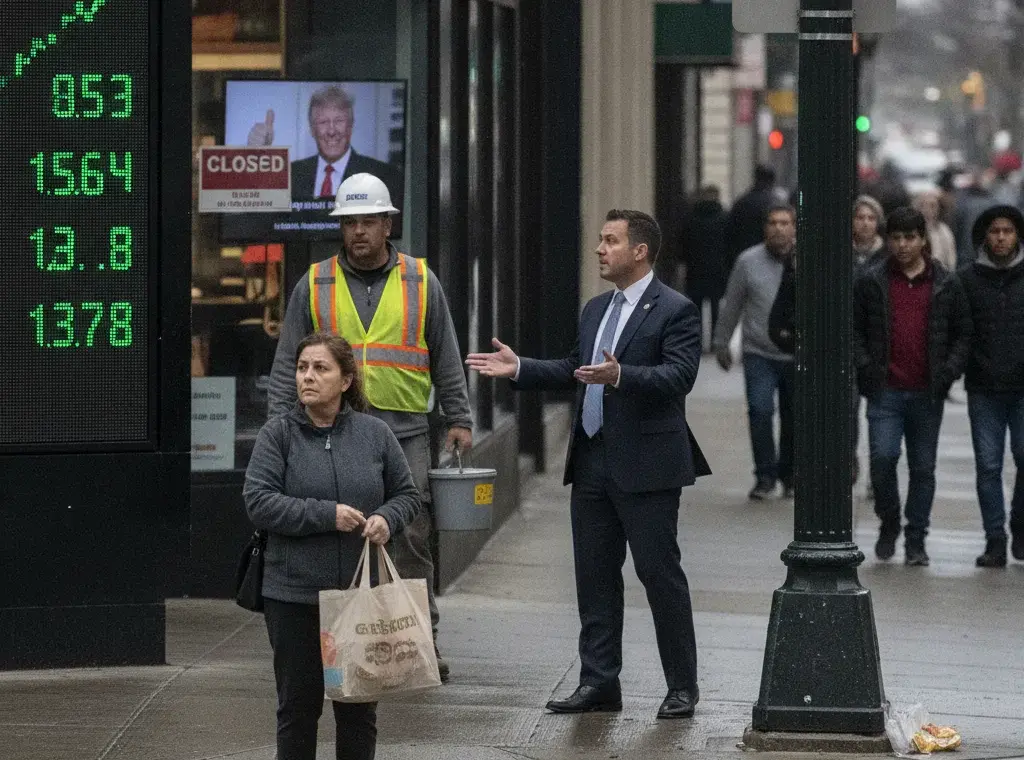
The White House is currently wrestling with a ghost that previously haunted Joe Biden. On paper, the American economy appears resilient, boasting steady growth, low unemployment, and a stock market hovering near historic peaks. Yet there is a profound disconnect between these macroeconomic indicators and the daily experiences of voters, creating a volatile political climate as the midterm elections approach. This divide reflects a recurring struggle where technical success fails to translate into public satisfaction.
Throughout his campaign, Donald Trump made an explicit promise to provide immediate relief from the rising cost of living. While his administration points to aggressive pro-growth agendas and tax cuts as proof of progress, those claims are colliding with the stubborn reality of high prices at supermarkets and gas stations. Unlike his predecessor, who dealt with the lingering shocks of a global pandemic, Trump is facing inflationary pressures tied to geopolitical conflicts in the Middle East and the direct consequences of his own trade policies, specifically tariffs that have bumped up the cost of consumer goods.
This friction highlights a fundamental linguistic clash between policymakers and the electorate. While economists celebrate a slowing rate of inflation as a victory, voters typically define falling inflation as prices returning to previous levels—an event that rarely happens. With average hourly earnings failing to keep pace with consumer price increases over the last year, many Americans feel their purchasing power shrinking regardless of what the GDP reports suggest.
Ultimately, Trump finds himself in a precarious position because he lacks the external excuses available to Biden. Critics argue that today’s price hikes are directly traceable to administrative decisions regarding tariffs and foreign policy maneuvers involving Iran. As polling indicates growing dissatisfaction with his economic stewardship, it becomes clear that voters prioritize their lived reality over official statistics. Whether Trump can bridge this gap remains uncertain, but history suggests that perception often carries more weight than data during an election cycle.