Tech Turbulence and Geopolitical Shifts Shake Global Markets
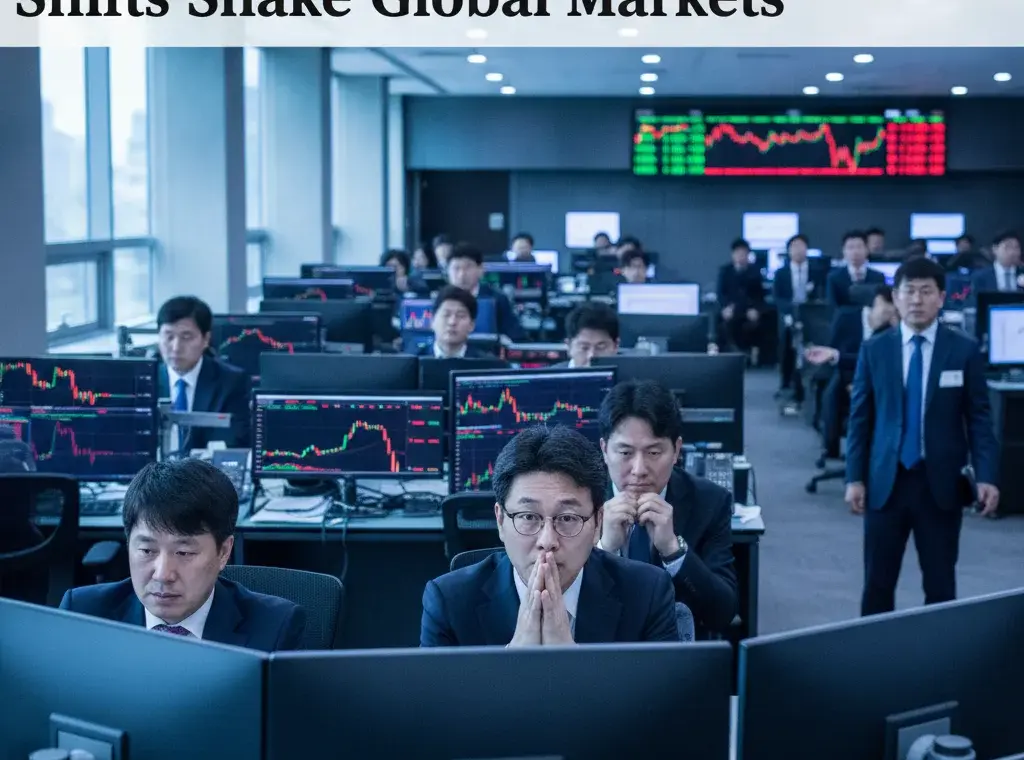
Asian stock markets presented a fragmented picture on Monday as investors struggled to find their footing amidst continued instability in the technology sector. While some indices saw modest gains, others suffered losses, reflecting a growing anxiety over whether the massive surge in artificial intelligence investments can be sustained. In South Korea, the Kospi managed a slight recovery but remains far below its summer peaks, while Japan’s Nikkei 225 slipped further due to declines in major chip equipment makers and investment firms like SoftBank.
The regional volatility comes as traders look toward the United States for direction. Equity futures moved slightly higher in anticipation of another heavy week of corporate earnings reports from giants such as Tesla, Meta, and Netflix. However, the mood remains cautious following a sharp downturn on Wall Street last Friday, particularly within the Nasdaq, which felt the brunt of the ongoing sell off in tech shares across both sides of the Pacific.
Beyond equities, the energy market reacted sharply to political maneuvers from Washington. Oil prices dipped more than one percent after President Donald Trump signed an executive order waiving sweeping sanctions on Russia. The move appears designed to lower domestic fuel costs ahead of upcoming midterm elections by allowing more Russian energy to flow into global markets, though it has drawn criticism from Ukraine. Despite this dip, analysts note that overall prices remain high due to persistent geopolitical tensions in the Middle East and threats to shipping lanes in the Strait of Hormuz.
Other regional developments added to the day’s complexity. China’s Shanghai Composite edged higher following positive economic growth data for the third quarter, yet local chipmakers still faced selling pressure. Meanwhile, Indonesia experienced a significant slump as its benchmark index hit levels not seen since 2020, triggered by warnings that MSCI might downgrade its emerging market status. These intersecting events highlight a period of extreme sensitivity where single policy shifts or earnings forecasts are triggering wide swings across global portfolios.