GoFundMe CEO uncovers a painful shift in the American dream
For decades, financial independence has defined progress in the United States, rooted in the belief that steady work leads to stability and savings.
That equation held through recessions and job market shifts because paychecks could still cover what families needed each month.
But that promise is becoming harder to sustain as wages fail to keep pace with the cost of food, housing, and energy.
For millions of American households, earning a steady income no longer guarantees financial security, leaving families struggling with expenses their parents could manage on a single paycheck.
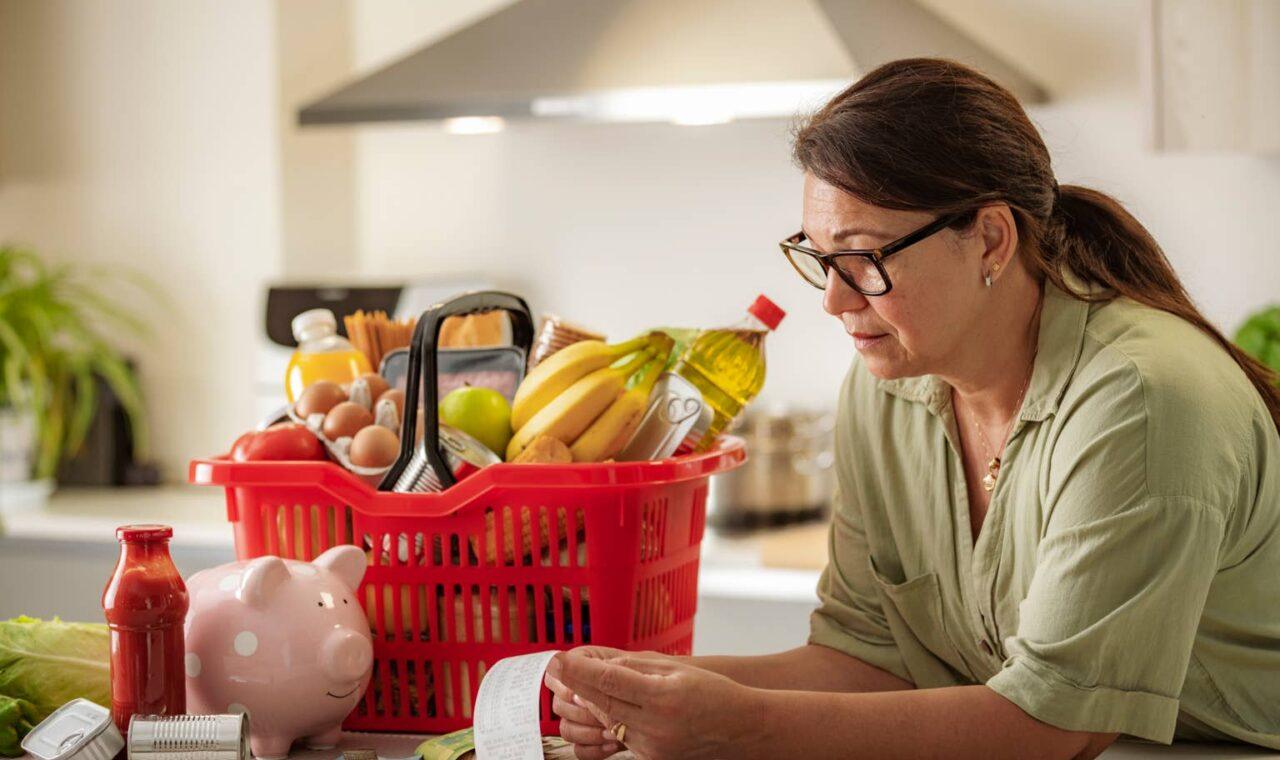
As the gap between earnings and everyday costs widens, working families are making difficult decisions on how to get through each month.
Some are now turning to forms of support, including crowdfunding for groceries, that would once have seemed unimaginable for households with regular jobs.
New findings from GoFundMe and federal spending data reveal just how deep this financial strain has become.
Also read: U.S. tariffs cost families more than the price tags show
GoFundMe’s rising food campaigns reveal deeper household strain
GoFundMe CEO Tim Cadogan told Fortune that food-related fundraisers on the platform rose 40% year over year in the United States alone.
Across five English-speaking markets — the U.S., Canada, the United Kingdom, Australia, and Ireland — food-related fundraisers rose 35%, while donations to those campaigns jumped 50% year over year.
The company launched its food, rent, and monthly bills category in October 2020, and fundraising volume has accelerated as living costs outpaced wages throughout 2024 and 2025.
Cadogan attributed the fundraising surge to a widening gap between the rising cost of everyday necessities and the paychecks families bring home.
<strong>Things are more expensive, and a lot of people's incomes have not moved up at a commensurate rate</strong>.
The pattern has held for roughly four years, coinciding with the period when essential costs began outpacing household income gains.
Rising costs and stagnant wages stretch household budgets thinner
The Bureau of Labor Statistics (BLS) Consumer Expenditure Survey for 2025 confirmed the financial strain that GoFundMe’s campaign data had exposed.
Housing and food accounted for 46.9% of average household spending in 2025, housing at 33.9% and food at 13.0%, up from 45.8% in 2024.
More Personal Finance:
- Fidelity shows health care costs outpacing inflation
- Jean Chatzky sees a retirement problem $1 million may not fix
- Dave Ramsey limits family lending to one of two options
The average household spent $27,790 on housing and $10,633 on food in 2025, with housing up 5.8% and food up 4.6% from 2024. Those increases compound over time and leave families with less room for savings, emergencies, or expenses beyond the basics.
Wages and salaries grew 3.1% through September 2026, while the Consumer Price Index (CPI) climbed 3.7% over the same period. After adjusting for inflation, wages and salaries fell 0.6%, meaning the average worker’s paycheck covered less than it did a year earlier.
The October 2026 CPI report showed the pressure continuing, with food prices jumping 0.5% in a single month after showing no change in September 2026. Beef rose 0.9%, and snacks climbed 1.0% in October 2026, compounding the squeeze at the checkout.
Crowdfunding for basics signals a weakening financial safety net
When wages fall behind rising costs, the savings and emergency reserves that once shielded families from financial shocks begin to vanish.
Erik Schneiderhan and Martin Lukk, co-authors of the 2023 book “GoFailMe: The Unfulfilled Promise of Digital Crowdfunding,” found that just 17% of medical and emergency GoFundMe campaigns reached their goal.
GoFundMe’s essentials category “seemed to usher in this new era of desperation” that likely did not exist during the pandemic, Lukk told Fortune.
Nearly 40% of GoFundMe donors have contributed more than once, suggesting that crowdfunding has become a recurring financial commitment for many families, the company indicated.
The financial pressure extends beyond the families who show up on GoFundMe.
The AARP Financial Security Trends Survey showed that financial insecurity among households earning $75,000 to $99,000 nearly doubled between 2022 and 2026, jumping from 20% to 36%.
A YouGov survey commissioned by GoFundMe confirmed that more than one-third of Americans have either received support through the platform or know someone who has.
That reach shows how crowdfunding for everyday expenses has become a regular part of how millions of American families manage their finances.
GoFundMe’s food campaigns signal a redefinition of household financial security
The growing number of essential-expense fundraisers Cadogan described to Fortune suggests that financial security is taking on a different meaning for American households.
Instead of focusing on building savings or preparing for future expenses, more families are struggling to afford immediate necessities such as groceries, rent, and monthly bills.
GoFundMe’s introduction of a dedicated fundraising category for these expenses reflects how increasingly urgent those needs have become.
The growing reliance on crowdfunding does not mean every household can find enough support to stay financially afloat. Lukk and Schneiderhan found that campaigns for basic necessities were less common in regions with stronger public assistance programs, Fortune reported.
Their findings suggest that established government support systems can provide more dependable assistance than crowdfunding campaigns, which rarely reach their fundraising targets in the regions studied.
The GoFundMe and BLS findings show how rising essential costs are changing what financial security means for American families.
Whether households can regain stability increasingly depends on their income, access to public assistance, and the community support available when expenses become difficult to manage.
Related: Empower exposes a troubling shift in the American dream