HKMA Explores Agentic AI to Detect Crypto-Related Financial…
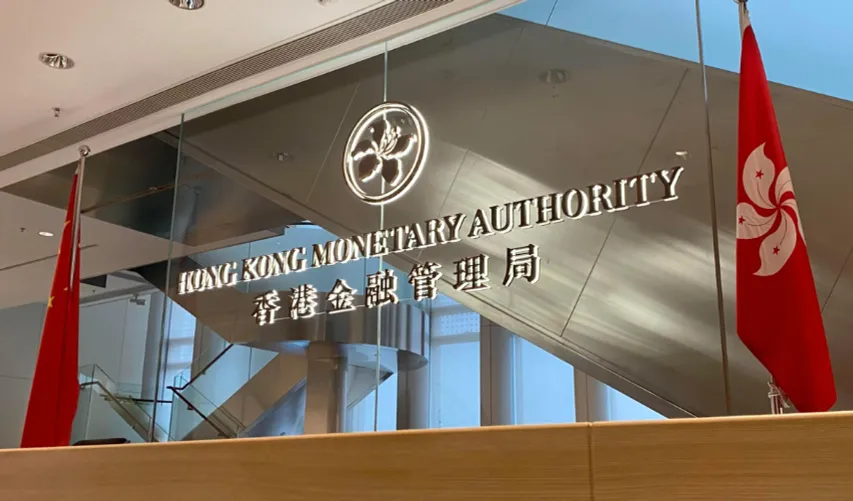
The Hong Kong Monetary Authority (HKMA) is exploring agentic AI that would let banks monitor crypto transfers and customer transactions together, aiming to catch laundering linked to digital assets before the funds move out of reach.
Raymond Chan, the HKMA’s Executive Director for Enforcement and Anti-Money Laundering, outlined the approach on November 17 in a keynote at a workshop on using regulatory technology against money laundering and terrorist financing risks in digital assets. The event was the third in an HKMA series on accelerating AI adoption in financial crime monitoring, and Chan said digital assets pose a novel set of challenges that will require technologies including AI to manage.
HKMA Targets Fast Fund Layering
Banks could use agentic AI to analyse on-chain transfers and off-chain customer transactions together and flag anomalies such as rapid fund layering through switches between cryptocurrencies and fiat currencies, Chan told the workshop. He described a system that would fold blockchain analytics, customer due diligence information, scam intelligence, suspicious wallet monitoring and rapid freezing into a single on-chain AI agent.
“Unlike cash, digital-asset transactions leave a permanent public trail on the blockchain, providing valuable evidence.”
The central challenge, according to Chan, lies in linking wallet activity to real-world identities quickly enough to stop funds from dissipating. He said digital assets combine speed, global reach, pseudonymity and limited reversibility, so stolen or scammed assets can cross borders within moments and bypass traditional intermediaries.
Chan cited the 2026 Chainalysis Crypto Crime Report, which found that illicit addresses received more than US$150 billion in 2025, with stablecoins accounting for 84% of that volume. He said stablecoins attract illicit use because of their price stability and the ease of peer-to-peer transfers through unhosted wallets.
Chan stressed that “no single tool offers complete protection,” and said the HKMA wants multi-layered safeguards that integrate advanced technologies. Technologies that address pseudonymity, such as decentralised identity solutions, are being explored and piloted.
Hong Kong Builds on Stablecoin Oversight
The HKMA is taking a cautious initial approach to stablecoins, putting investor protection and financial crime risk management first through a comprehensive surveillance strategy that Chan said it is only beginning to put into operation.
Hong Kong’s Virtual Asset Intelligence Taskforce connects the Police, the Customs and Excise Department, the HKMA, the Securities and Futures Commission, licensed virtual asset service providers and stablecoin issuers. Chan said the taskforce “treats crypto crime as an ecosystem issue” and speeds up disruption efforts while improving intelligence quality.
The HKMA has also deepened cooperation with overseas regulators and contributes to the Financial Action Task Force’s work on transparency in crypto transactions and regulatory gaps between jurisdictions. The surveillance push follows a year of licensing activity. The HKMA granted its first two stablecoin licences to HSBC and Anchorpoint, which puts the first regulated issuers under the anti-money laundering expectations Chan described. Banks elsewhere are testing the same technology on the transaction side.
JPMorgan is developing AI agents that can execute financial transactions without human intervention, and FinanceFeeds reported that institutions deploying such agents must make sure those transactions comply with anti-money laundering rules, sanctions restrictions and internal risk controls.