A Clash of Folds: Weighing the Photographic Power of Apple and Samsung
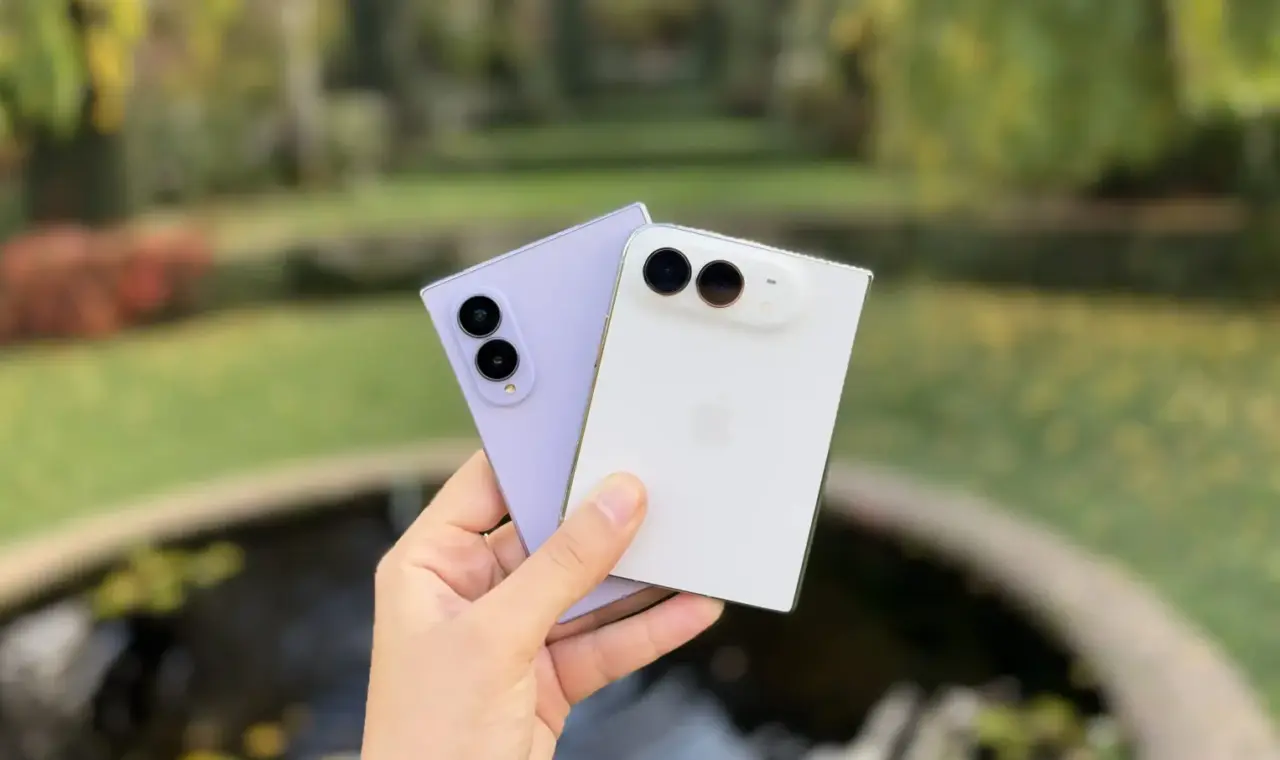
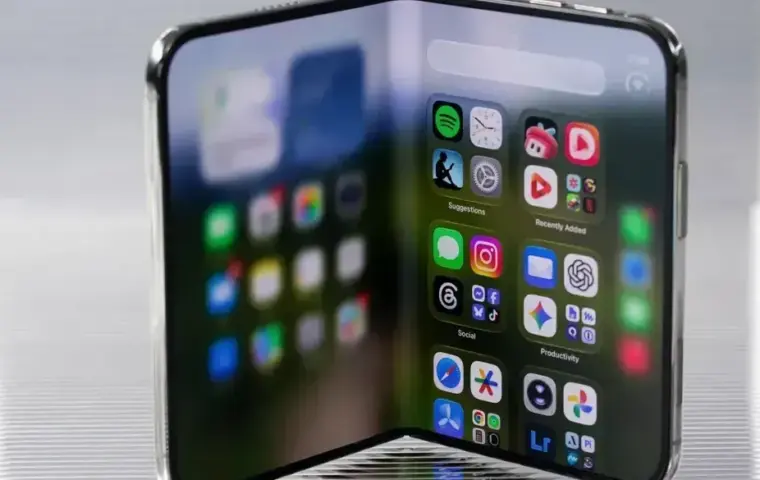
The landscape of mobile technology is shifting toward a passport sized future, and nowhere is this more evident than in the rivalry between the iPhone Duo and the Galaxy Z Fold 8. Both devices embrace a sophisticated book style configuration, offering users the versatility of a compact cover display paired with a sprawling seven point six inch interior screen. While they share similar dimensions and battery capacities, they carry hefty price tags that start around nineteen hundred dollars. This luxury positioning raises expectations, yet both manufacturers made a surprising compromise by omitting dedicated telephoto lenses, meaning neither device can compete with the raw zooming power of traditional flagships like the iPhone 18 Pro or Galaxy S26 Ultra.
Despite the lack of an optical zoom lens, both foldables pack significant punch with high resolution wide and ultrawide sensors. During a side by side trial at Filoli, a historic estate in the San Francisco Bay Area, the distinct personalities of each camera system emerged. The iPhone Duo consistently leaned into warmth and depth, producing images with rich blacks and saturated hues that gave landscapes a cinematic quality. Its portraits were particularly striking, utilizing a soft background blur that allowed subjects to pop with dramatic clarity. For those who prefer their photos to feel atmospheric and vivid, Apple’s tuning offers a compelling advantage.
Samsung took a different path with the Z Fold 8, prioritizing sharpness and neutrality. In many scenes, the Galaxy produced brighter images where nature felt more luminous; specifically, floral arrangements and blue skies appeared more pigmented and lively than they did on the Duo. Where Apple focused on mood, Samsung focused on precision, capturing fine details like individual blades of grass or the rough texture of tree bark with remarkable accuracy. It provides a cleaner, more clinical look that ensures every corner of the frame remains crisp regardless of distance.
Ultimately choosing between these two depends entirely on your aesthetic preference rather than any objective failure in hardware. If you gravitate toward warm tones and artistic contrast, the iPhone Duo is likely your winner. However, if you value bright exposure and surgical detail across your entire shot, the Z Fold 8 earns its place in your pocket. Both phones prove that while folding screens may necessitate some compromises in sensor size, they are now more than capable of delivering professional grade imagery for the everyday user.