The Big Aristotle Plays It Safe With A Massive Retirement Safety Net
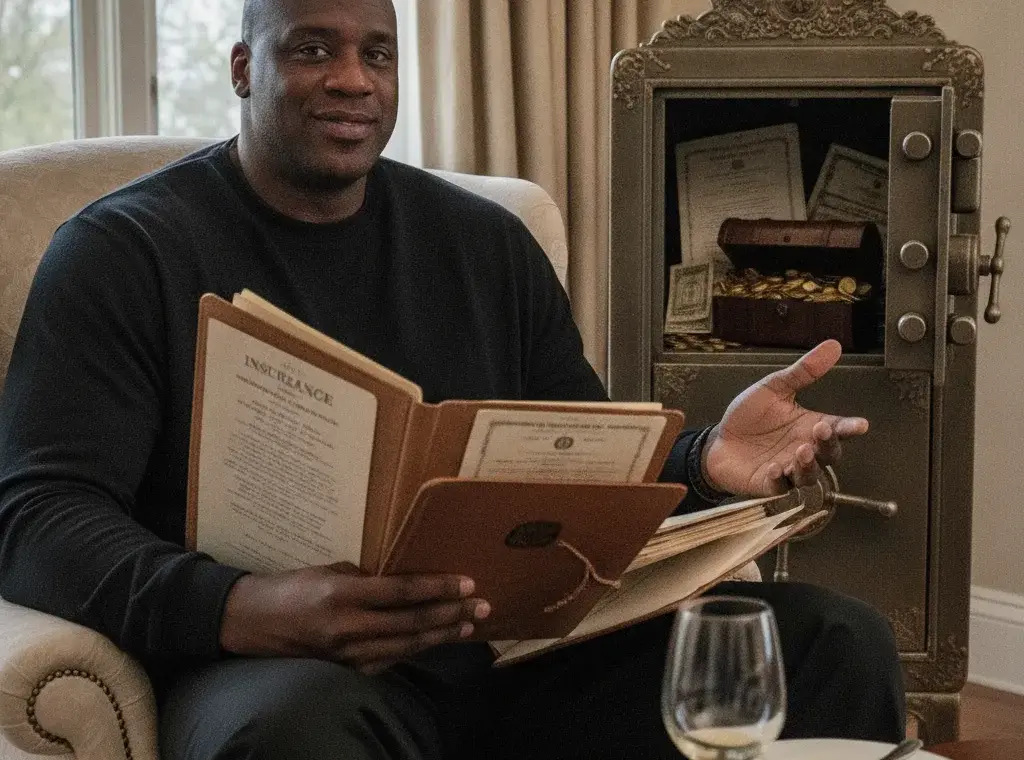
Shaquille O’Neal is widely known for his larger than life personality and dominant presence on the basketball court, but it turns out he possesses a surprisingly conservative streak when it comes to his finances. During a recent appearance on the Dinner Party podcast, the NBA legend revealed that he established a foolproof backup plan years ago to ensure he would never go broke, even if his more aggressive investments failed. This strategy involves a heavy investment in annuities, which essentially act as a guaranteed paycheck for retirees. Starting next spring, when O’Neal turns 55, these accounts are expected to pay him roughly one million dollars every single month.
This disciplined approach to wealth management didn’t come naturally to Shaq. He admitted that back when he was twenty years old, he once blew through a million dollars in just one day. The turning point came after a chance encounter with a wealthy man who used a torn piece of napkin to illustrate a simple rule for staying rich: spend twenty five percent of your earnings and save seventy five percent. Following that advice, O’Neal shifted his habits toward aggressive saving and eventually sought out low risk financial products like annuities to serve as an insurance policy against potential losses.
Beyond his own savings, O’Neal is applying the same rigor to how his children will handle their inheritance. In keeping with his lifelong commitment to education, which saw him earn multiple degrees including a doctorate, he has informed his kids that they won’t see any of the family fortune without academic credentials. According to Shaq, anyone wanting to touch the cheese must first obtain both a bachelor’s and a master’s degree.
While he has enjoyed some massive wins over the years, including an early stake in Google before it went public, O’Neal remains candid about the volatility of wealth. He joked that while the Google investment was a huge hit, most of those gains disappeared during his 2009 divorce. That experience likely reinforced why he finds comfort in the unglamorous stability of monthly payouts rather than relying solely on the whims of the stock market.