
North Carolina Cracks Down on Crypto Kiosks Amid Surge in Life Savings Scams
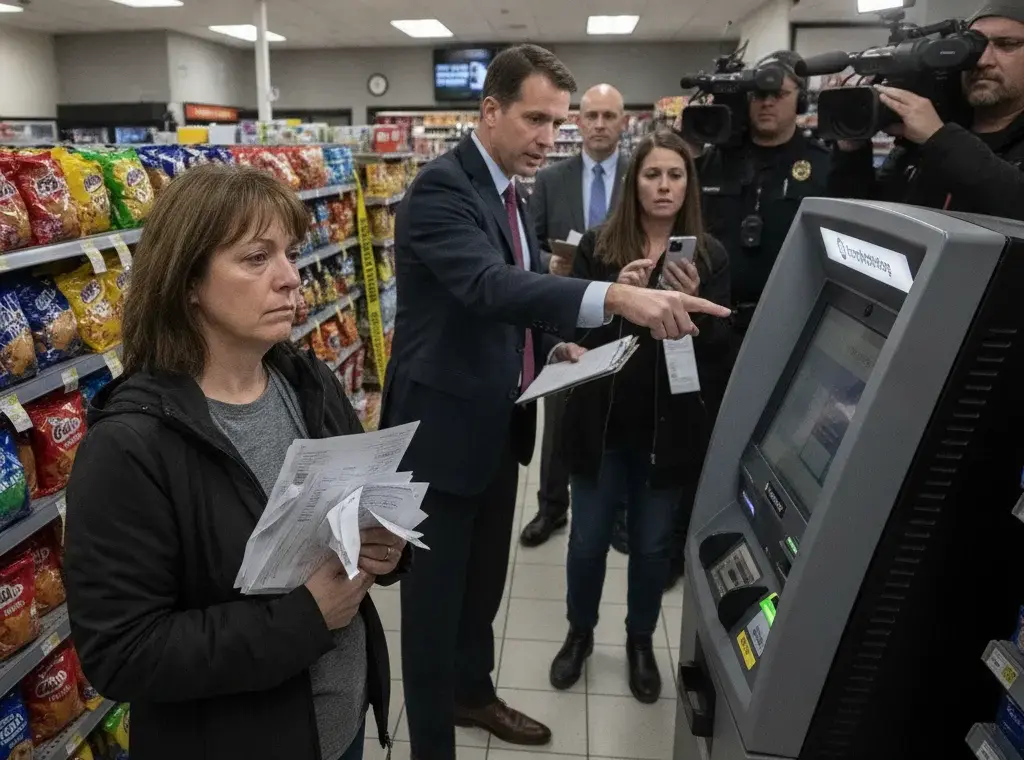
North Carolina Attorney General Jeff Jackson has confirmed that the state Department of Justice is currently investigating cryptocurrency kiosk operators across the region. The probe follows several devastating reports of fraud, including a Johnston County woman who lost her entire life savings to a jury duty scam conducted via a crypto ATM. Similar tragedies have emerged from Harnett County, where another resident reportedly lost over thirty thousand dollars through one of these machines.
Attorney General Jackson did not hold back his skepticism regarding the legitimacy of the kiosk industry, suggesting that these machines serve as primary facilitators for criminal activity rather than legitimate financial tools. According to Jackson, the DOJ’s preliminary findings indicate that the companies operating these kiosks are well aware that their hardware is being used predominantly for fraudulent purposes. He stated that the state is now attacking the problem from every possible angle, targeting both the individual fraudsters and the infrastructure enabling them.
The crackdown comes as consumers struggle to navigate a digital asset landscape fraught with hidden risks and minimal safeguards. While physical kiosks are under legal scrutiny, larger online exchanges face criticism for their lack of transparency. A recent evaluation by Consumer Reports revealed that major platforms like Coinbase and Binance fail to clearly warn users during sign-up that cryptocurrency lacks the federal protections typically afforded to bank deposits. This means that if an exchange collapses or suffers a hack, investors could lose everything with little to no recourse.
Beyond safety nets, researchers found significant gaps in how platforms handle fraud warnings and user privacy. Some exchanges allow users to breeze past risk alerts with ease, while others provide no warnings at all before a transaction is finalized. Experts suggest that those looking for exposure to digital assets without these extreme risks might better serve themselves by utilizing crypto ETFs or index funds through traditional brokerages, which offer far more stringent federal oversight and consumer protection laws.