A Fragile Calm Before the Fiscal Storm
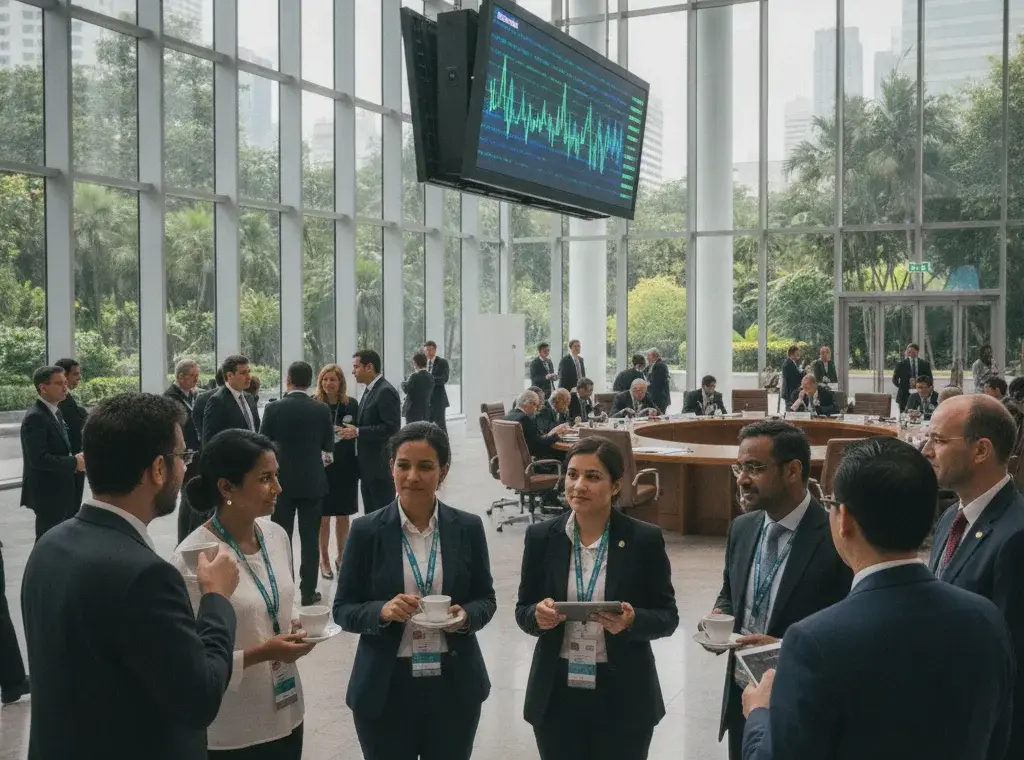
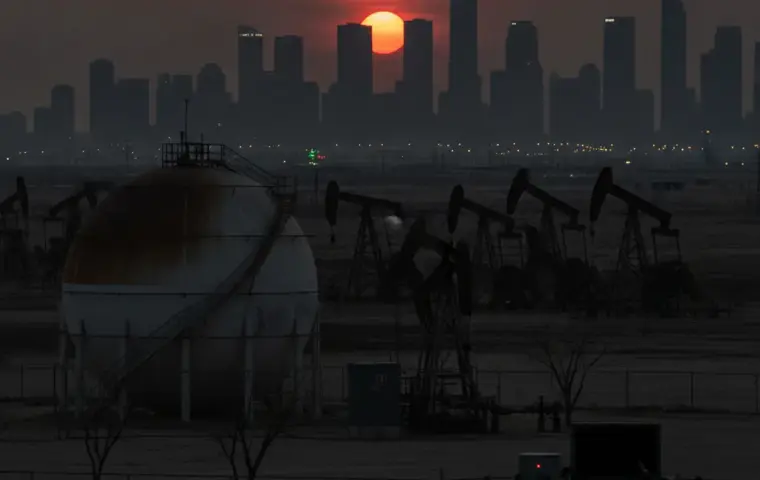
Inside the glass walls of Bangkok’s Queen Sirikit conference centre, the mood among policymakers from over 100 nations felt strangely serene. Despite a backdrop of geopolitical turmoil and skyrocketing oil prices, the global economy has shown a stubborn level of resilience that continues to baffle observers. From the surge in artificial intelligence investments to stable stock markets, many nations appear to be defying gravity, avoiding the synchronized collapse that most analysts predicted following the pandemic and various regional conflicts.
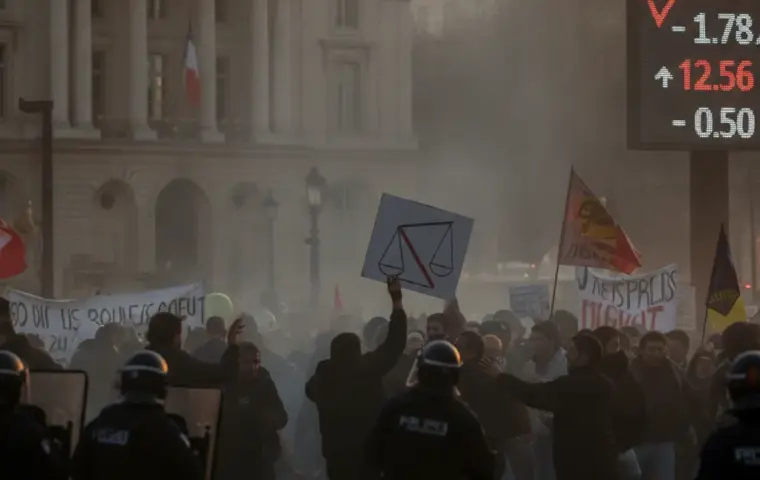
However, the International Monetary Fund warns that this perceived stability is an expensive illusion. In its latest World Economic Outlook, the IMF notes that governments have essentially purchased this peace through massive energy subsidies and support measures, costing roughly half a percent of global GDP. This safety net is fraying, as many countries find themselves unable to maintain such spending and are being forced to expose their citizens to the raw volatility of global energy markets.
Beyond immediate price shocks, a deeper structural rot is worrying officials in Washington and beyond. Public debt in advanced economies is climbing toward dangerous heights, reaching levels not seen since the peak of the pandemic. Managing Director Kristalina Georgieva warned that too many leaders failed to rebuild their financial reserves during the recovery period, leaving them vulnerable to future crises while spending increasing amounts of tax revenue just to service existing debts. She described it as an urgent need to repair the fiscal house before wider cracks emerge.
This economic tension played out visibly during G20 meetings where diplomatic fractures mirrored financial ones. The absence of US Treasury Secretary Scott Bessent served as a pointed reminder of the decline in multilateral cooperation, leaving others like UK Chancellor John Healey to navigate uncomfortable dynamics with Russian delegates and disputes over aid for Ukraine. With no joint communique issued at the end of the summit, it became clear that while indices might remain high for now, the political and financial glue holding the global system together is thinning dangerously.